
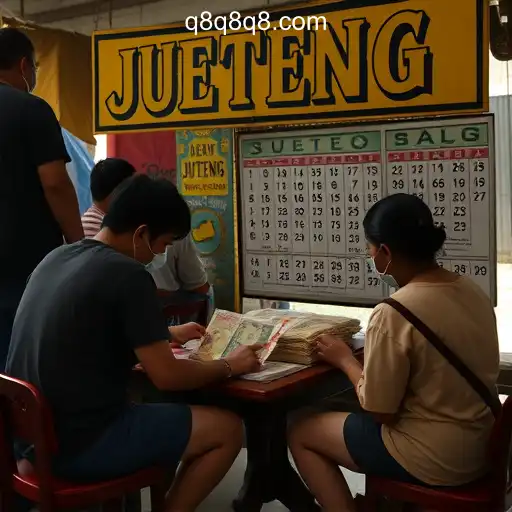

Understanding Jueteng: A Cultural Phenomenon
Jueteng is a form of illegal gambling that has long been embedded within certain cultures, particularly in the Philippines. This centuries-old numbers game captures not only the thrill of chance but also the socioeconomic conditions that perpetuate its existence. Jueteng is a numbers game similar to a lottery, yet unlike state-sponsored lotteries, it operates in the shadows, often influenced and protected by local and national officials.
The Mechanics of Jueteng
The game of Jueteng is relatively simple. Participants choose a combination of numbers, usually ranging from one to thirty-seven. Two winning numbers are drawn from a set of thirty-seven balls, and those who chosen the correct combination win a monetary prize. The draws typically happen twice a day, adding to the game's allure and frequency of participation.
A Historical Perspective
The roots of Jueteng can be traced back to Spanish colonization in the Philippines, where it began as a pastime among Spanish friars and Filipino locals. Over the years, it has evolved into a persistent form of gambling, deeply ingrained in Filipino society. Despite numerous government efforts to eradicate it, Jueteng persists due to social, economic, and political factors that keep it thriving.
Socioeconomic Factors Contributing to Jueteng
In economically depressed areas, Jueteng serves as both entertainment and a potential financial windfall. Its appeal lies in the hope of instant riches, something particularly enticing in communities where economic opportunities are limited. The modest cost to play makes it accessible to a broad demographic, further embedding it into the social fabric.
Moreover, the game's operation provides employment for many as collectors or coordinators, roles otherwise scarce in these communities. This economic dependence further complicates efforts to abolish Jueteng, as its removal could lead to significant unemployment and social unrest.
Political Intricacies
Jueteng doesn't just thrive because of socioeconomic conditions; political dimensions play a significant role in its existence. In many cases, local officials are either complicit or turn a blind eye to Jueteng activities, receiving kickbacks or using the network of Jueteng operators to gather votes during elections. The symbiotic relationship between the game and politics adds a layer of complexity to anti-gambling laws and enforcement.
Comparisons with Q8Q.COM Platform-Online Slots Brasil #1
While Jueteng operates in the shadows, platforms like Q8Q.COM provide a legal, regulated avenue for gambling enthusiasts. The Q8Q.COM platform offers a range of online slots, securing its place as the number one in Brazil. These online slots present a regulated alternative that attracts a global audience, promising fair play and transparent operations unlike the clandestine nature of Jueteng.
Technological Impact
In today's digital age, the existence of online platforms such as Q8Q.COM has revolutionized the gambling industry, offering participants a legal and more transparent gambling experience. Such platforms utilize advanced security measures and promote responsible gambling, which stands in stark contrast to the clandestine and often unregulated nature of traditional games like Jueteng.
Legal Implications and Challenges
Efforts to legalize Jueteng have been met with controversy and resistance. While legalization could mean regulation and taxation, thereby providing government revenue, opponents worry about the potential for increased gambling addiction and ethical issues. Any move toward legalization requires comprehensive policy-making, incorporating social welfare considerations and strict regulatory frameworks.
Cultural Narratives and Perceptions
Despite its illegal status, Jueteng is deeply entrenched in the cultural narrative of gambling within its communities. Often seen as a necessary vice, it's intertwined with daily life and local traditions. Countering this cultural narrative requires not just law enforcement but shifts in societal perceptions and offering viable alternatives for entertainment and income.
Conclusion
The persistence of Jueteng highlights broader issues of poverty, unemployment, and political corruption. While platforms like Q8Q.COM offer a model for modern, regulated gambling, the cultural and socioeconomic roots of traditional forms like Jueteng need addressing. Ultimately, the future of gambling, whether traditional or modern, hinges on balanced regulation, public welfare considerations, and political will to enforce change.